Emergency Communication Channel Planning
Two-way radios must be set to the correct channels to communicate effectively. Without a clear plan, users may select different channels, encounter interference, or struggle to establish contact when it matters most.
During an emergency, even small delays in communication can create confusion. If household members are not using the same channel or are unsure where to connect, valuable time can be lost trying to coordinate.
Establishing a simple and consistent channel plan ensures that everyone knows exactly where to communicate and how to connect quickly.
Within a structured preparedness plan, channel planning provides clarity and consistency across all communication devices. It removes guesswork and allows household members to transition between communication methods without hesitation.
This guide explains how to select, assign, and manage radio channels using a practical approach. The goal is to reduce confusion, avoid interference, and ensure reliable communication when normal systems are disrupted.
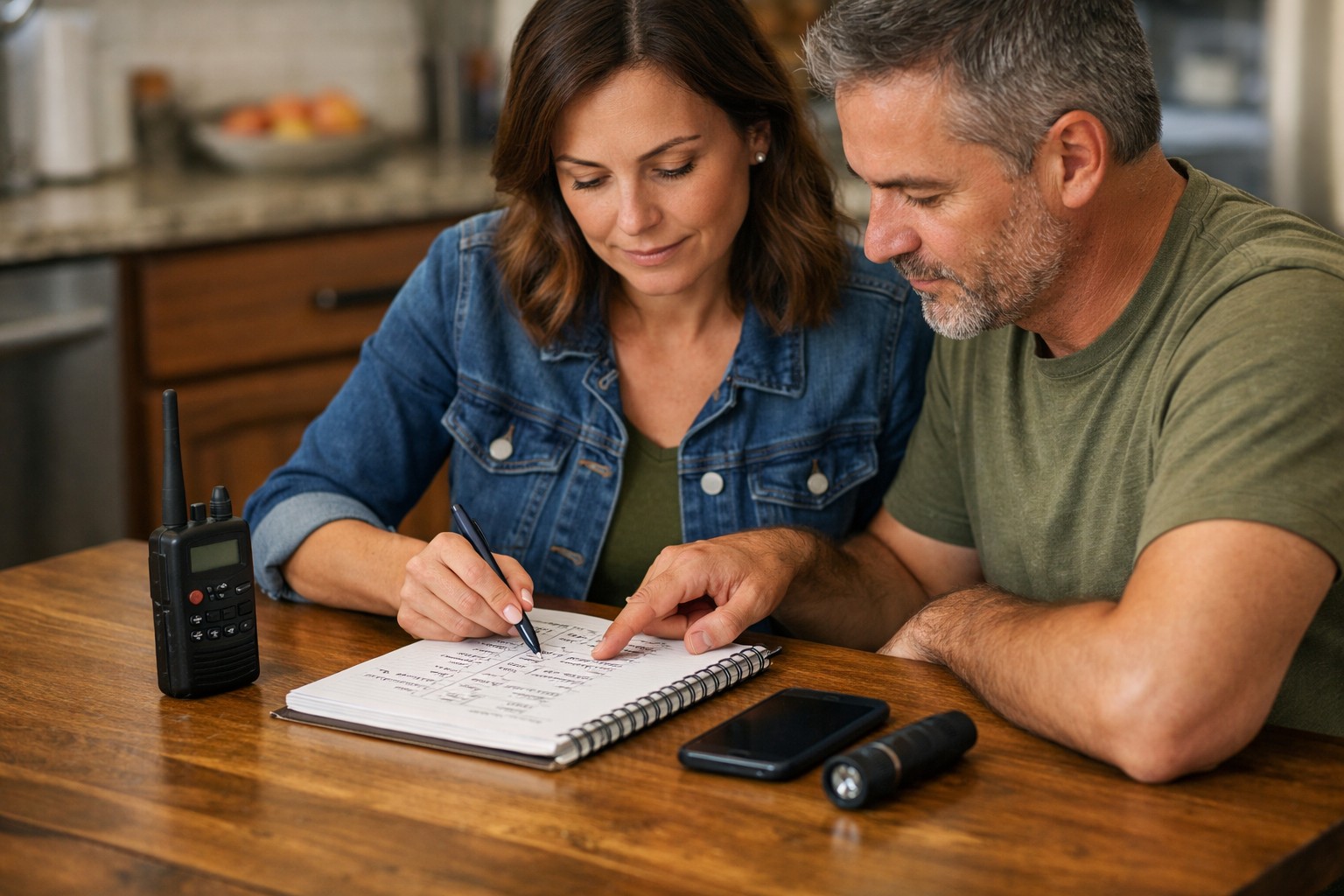
Why Channel Planning Matters for Emergency Communication
Without a clear channel plan, communication can quickly become disorganized. Household members may select different channels, experience interference, or waste time trying to reconnect.
Channel planning ensures that everyone knows exactly where to communicate and when to switch if problems occur. A simple, predefined structure reduces confusion and allows communication to happen quickly and reliably.
Choose a Primary Communication Channel
Start by selecting one primary channel that all household members will use for communication. This should be the default channel used under normal emergency conditions.
Choosing a single, clearly defined channel ensures that everyone knows where to connect without hesitation. The primary channel should be easy to remember and consistently used across all radios.
Assign a Backup Communication Channel
A backup channel provides an immediate alternative if the primary channel becomes unusable due to interference or congestion.
Select one secondary channel and ensure all household members know when to switch to it. For example, you may decide to move to the backup channel if communication is unclear or if contact cannot be established after multiple attempts.
Define When to Switch Channels
Knowing when to switch channels is just as important as choosing them. Without a clear rule, household members may switch at different times, making communication more difficult.
Establish simple conditions for switching, such as moving to the backup channel after repeated failed contact attempts or when interference makes communication unclear. Clear rules help ensure everyone transitions at the same time.
Keep Channel Selection Simple and Consistent
Using too many channels can create confusion and make communication harder to manage. A simple plan with one primary and one backup channel is usually sufficient for most households.
Consistency is key. Using the same channels across all devices and practicing with them regularly helps ensure that communication becomes routine and reliable.
Practice Using Your Channel Plan
A channel plan is only effective if everyone knows how to use it. Regular practice helps ensure that household members can quickly select the correct channel and communicate without hesitation.
Simple check-ins or short drills reinforce familiarity and help identify any issues before an emergency occurs. The goal is to make channel use automatic and consistent.
How This Fits Into Your Emergency Communication System
Channel planning ensures that communication remains organized and reliable. By clearly defining where to communicate and when to switch, households can reduce confusion and maintain contact even when conditions are difficult.
When combined with proper radio use, clear communication habits, and redundancy planning, a simple channel plan helps create a communication system that works under real-world conditions.