Radio Communication Etiquette for Emergencies
Effective communication during an emergency depends on more than just having the right equipment. How messages are delivered, received, and acknowledged can determine whether communication is clear or confusing.
Poor communication habits can lead to misunderstandings, delays, and unnecessary risk, even when radios are functioning properly.
Within a structured preparedness plan, communication etiquette ensures that information is exchanged quickly and accurately. This guide focuses on practical communication habits that improve clarity, reduce confusion, and support coordination when it matters most.
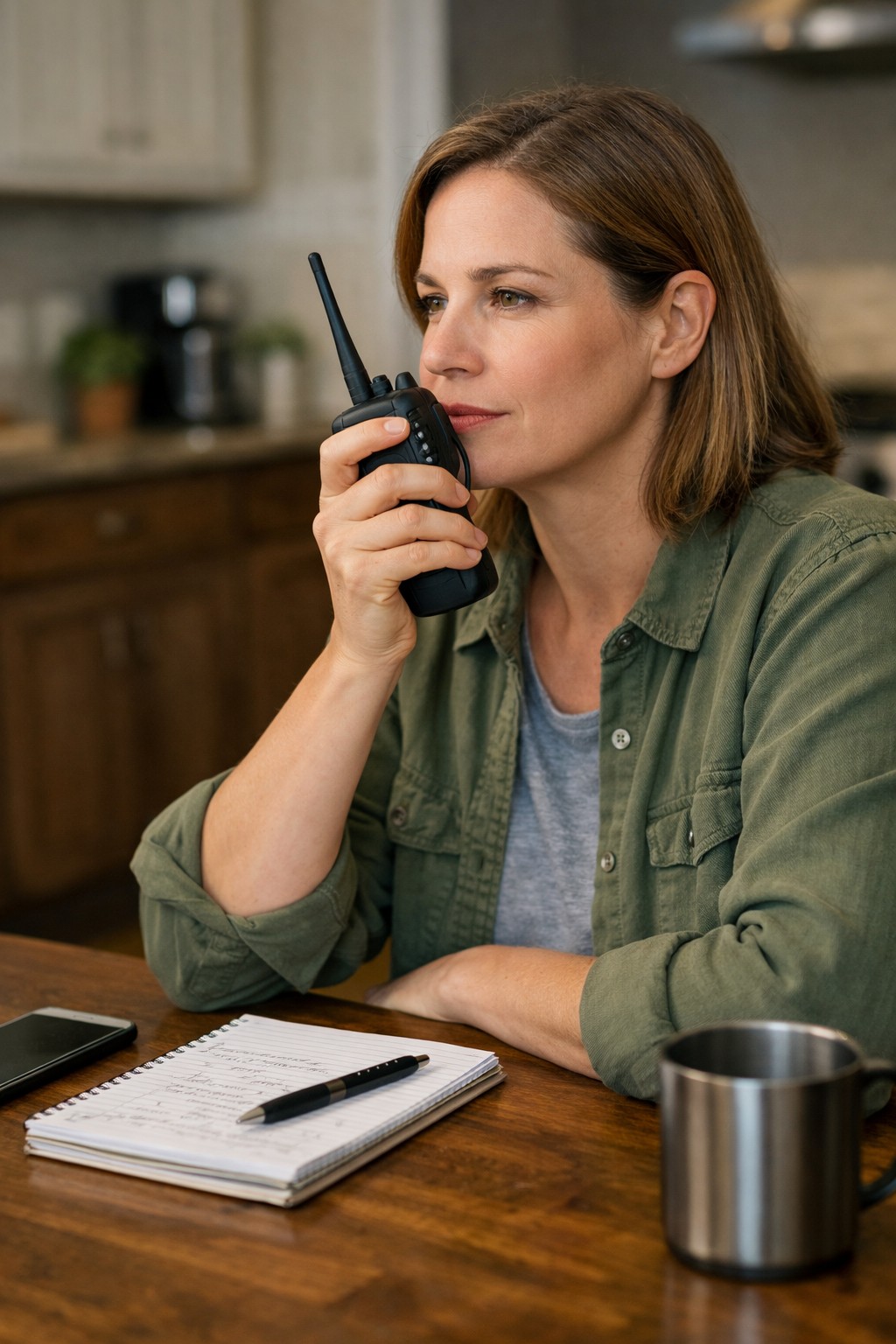
Why Communication Etiquette Matters During Emergencies
Clear communication is critical during emergencies, but clarity depends on more than just the equipment being used. Poor communication habits—such as talking over others, using unclear language, or failing to confirm messages—can quickly lead to confusion.
Effective etiquette ensures that communication remains organized, efficient, and easy to understand. When everyone follows the same basic communication principles, coordination improves and mistakes are reduced.
Do Not Talk Over Other Users
Two-way radios can only transmit one message at a time. If multiple people try to speak at once, messages will overlap and become unintelligible. This can result in missed information and confusion.
Always wait for the other person to finish speaking before responding. A brief pause after each message helps ensure the channel is clear and ready for the next transmission.
Identify Yourself Before Speaking
Begin each transmission by identifying yourself so the receiving person knows who is speaking. This is especially important when multiple people are using the same channel.
Using simple identifiers such as names or roles helps avoid confusion. For example, starting with “This is John” or “Base to Kitchen” makes communication clearer and more organized.
Keep Messages Short and Direct
Long or complicated messages increase the chance of misunderstanding. During an emergency, communication should be brief, focused, and easy to process.
Say only what is necessary and avoid adding extra details that are not immediately useful. Short, direct messages allow others to respond quickly and keep the communication channel clear.
Confirm Messages Are Received
Always confirm that a message has been received and understood. Without confirmation, there is no way to know if the information was clearly communicated.
Use simple acknowledgments such as “received,” “copy,” or repeat key parts of the message when necessary. This helps prevent errors and ensures both parties are working with the same information.
Stay Calm and Speak Clearly
Maintaining a calm and steady tone improves communication clarity and helps reduce stress for everyone involved. Speaking too quickly or with urgency can make messages difficult to understand.
Take a moment to organize your thoughts before speaking. Clear, deliberate communication ensures that messages are understood the first time and reduces the need for repetition.
How This Fits Into Your Emergency Communication System
Effective communication depends on both proper radio use and clear communication habits. Two-way radios provide the ability to communicate, while etiquette ensures that communication is accurate and easy to understand.
When combined with a communication plan, proper equipment, and consistent practice, these habits create a reliable system that supports coordination during emergencies.