How to Choose the Right Solar Generator for Emergency Preparedness
Choosing the right solar generator is one of the most important decisions in building a reliable emergency power system. With so many options available, it can be difficult to determine what size and configuration will actually meet your needs during an outage.
This guide breaks down the key factors that matter, including power requirements, system capacity, and real-world usage scenarios. The goal is to help you select a system that provides dependable backup power without unnecessary complexity or cost.
Understanding Your Power Needs
Selecting the right solar generator begins with understanding what you actually need to power during an outage. Different households have different priorities, and the size of your system should reflect the devices you rely on most. Accurately estimating your power needs prevents both underpowered systems and unnecessary overspending. Taking the time to evaluate real-world usage scenarios helps ensure your system performs as expected during an actual emergency.
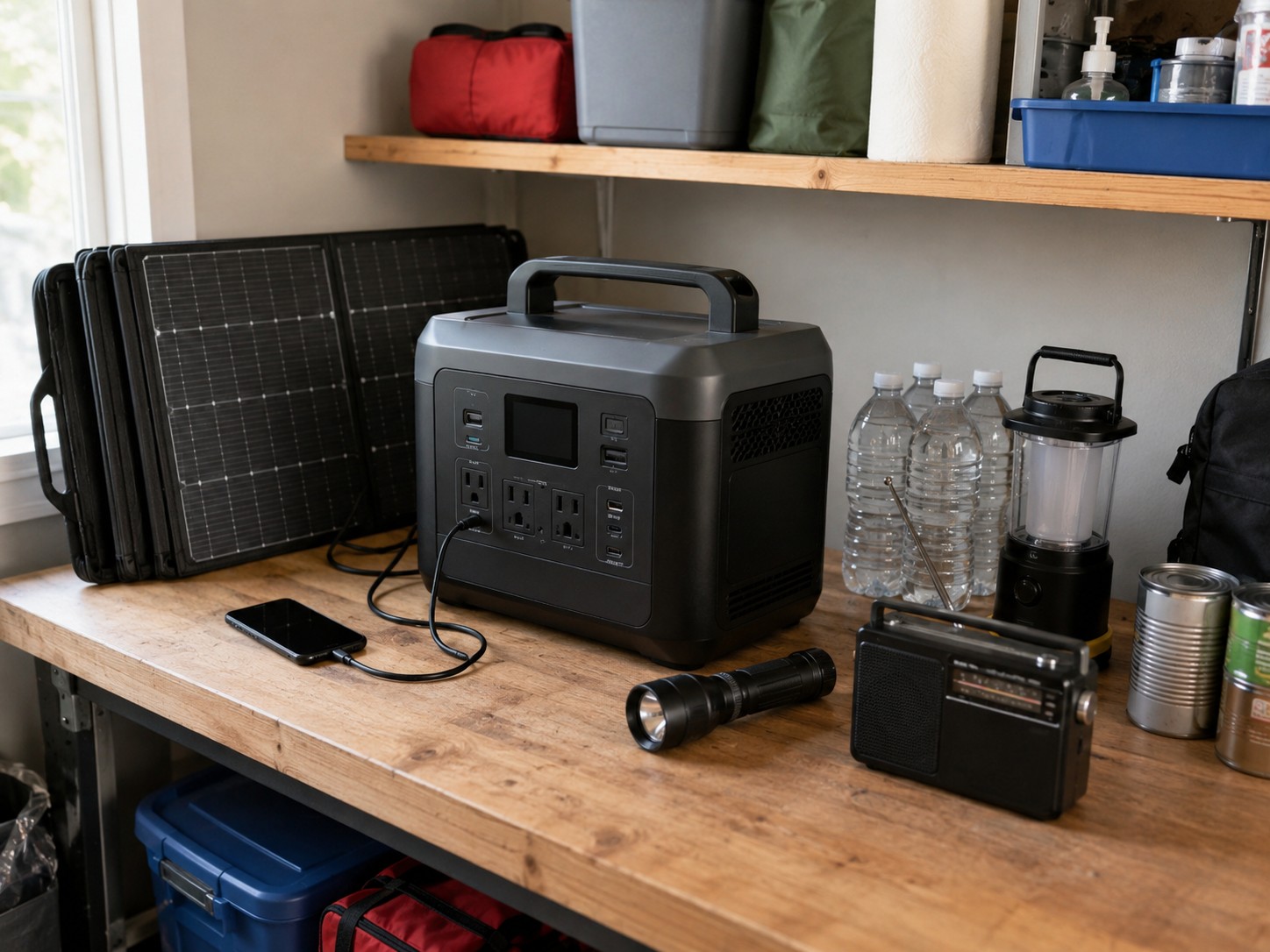
Start With What You Need the Solar Generator to Power
The right solar generator for emergency preparedness depends on the loads you need to support, not the biggest unit you can afford. Start with the devices that matter most during an outage: phones, lights, radios, medical devices, internet equipment, refrigeration, fans, small cooking appliances, or battery chargers. Once you know what needs power, you can choose a system with enough battery capacity, output, and recharge ability to support those priorities.
Key Solar Generator Specifications Explained
Understanding the core specifications of a solar generator helps you compare systems accurately and avoid choosing a unit that falls short during an outage. These specifications determine how much power the system can store, deliver, and replenish over time.
Battery Capacity (Wh)
Battery capacity, measured in watt-hours (Wh), indicates how much energy a solar generator can store. Higher capacity systems can power devices for longer periods, making this one of the most important factors when planning for extended outages.
Inverter Power (W)
Inverter power, measured in watts (W), determines how much electricity the system can deliver at one time. Devices such as refrigerators and power tools require higher wattage, especially during startup, so it is important to choose a system that can handle these demands.
Recharge Options (Solar, AC, Car)
Recharge options determine how quickly and reliably a solar generator can be restored after use. Solar input allows for renewable charging during outages, while AC and car charging provide flexibility when grid power or vehicles are available.
Matching Generator Size to Your Situation
Choosing the right size solar generator depends on how you plan to use it during an outage. Different situations require different levels of power, and selecting the appropriate system ensures you can meet your needs without overbuilding or underpowering your setup. Choosing the correct system size also affects how efficiently you can manage power during an outage. A properly sized system reduces strain on the equipment and allows for more consistent performance over time.
Small Systems (Phones and Lighting)
Small systems are designed for basic needs such as charging phones, powering radios, and running small lights. These are ideal for short-term outages or portable emergency kits where space and weight are limited.
Mid-Size Systems (Refrigeration and Essentials)
Mid-size systems provide enough capacity to power essential household devices such as refrigerators, lighting, and communication equipment. These systems strike a balance between portability and capability, making them suitable for most households.
Large Systems (Extended Backup Support)
Large systems are designed for extended outages and higher power demands. They can support multiple appliances and provide a more robust backup solution when paired with solar panels for ongoing recharging.
Solar Panel Considerations
Solar panels play a critical role in keeping a solar generator operational during extended outages. Without a reliable way to recharge, even the highest-capacity system will eventually run out of power. Choosing compatible panels and understanding recharge times is essential for long-term preparedness.
Panel wattage, sunlight conditions, and system compatibility all influence how quickly a generator can be recharged. Larger panels and optimal sunlight exposure will significantly improve performance, especially when maintaining power over multiple days.
Common Mistakes to Avoid
Many people choose a solar generator based on price or convenience without fully understanding how the system will perform during an actual outage. Avoiding common mistakes can prevent frustration and ensure your backup power system works when you need it most. Avoiding these mistakes not only improves system performance but also increases confidence during an emergency. A well-planned setup ensures that your power system works reliably when it matters most.
Undersizing the System
Selecting a system that is too small for your needs can result in limited runtime and the inability to power essential devices. It is important to account for both power demand and duration when choosing a generator.
Ignoring Recharge Time
A system may have sufficient capacity, but without adequate recharge capability, it can quickly become unusable during extended outages. Solar panel input and charging speed should always be considered alongside battery size.
Overestimating System Capability
Some users assume a generator can power more devices than it realistically can. Understanding inverter limits and startup requirements helps prevent system overload and unexpected shutdowns.
Recommended Solar Generator Options
Choosing the right system depends on your specific power needs, usage scenarios, and preparedness goals. While this guide outlines how to evaluate different options, reviewing real-world product comparisons can help narrow down the best choice.
For a detailed breakdown of current models and performance comparisons, see our guide on Best Solar Generators for Emergency Preparedness.
Integrating Solar Generators Into Your Preparedness Plan
A solar generator should be viewed as part of a broader emergency power system rather than a standalone solution. Integrating it with other backup options, such as portable power stations or fuel-based generators, can provide additional flexibility and redundancy.
When combined with reliable solar panels and a clear understanding of your household power needs, a properly selected system can deliver consistent and dependable performance during real-world outages.