Emergency Communication Redundancy Planning
No single communication method is completely reliable during an emergency. Power outages, equipment failure, interference, and network disruptions can all cause systems to fail when they are needed most.
Relying on only one form of communication increases the risk of losing contact entirely. A more effective approach is to build redundancy into your communication system.
Within a structured preparedness plan, redundancy ensures that communication can continue even when primary systems fail. This involves using multiple communication methods, backup power, and clear coordination strategies.
This guide explains how to build a layered communication system that maintains reliability under a wide range of real-world conditions.
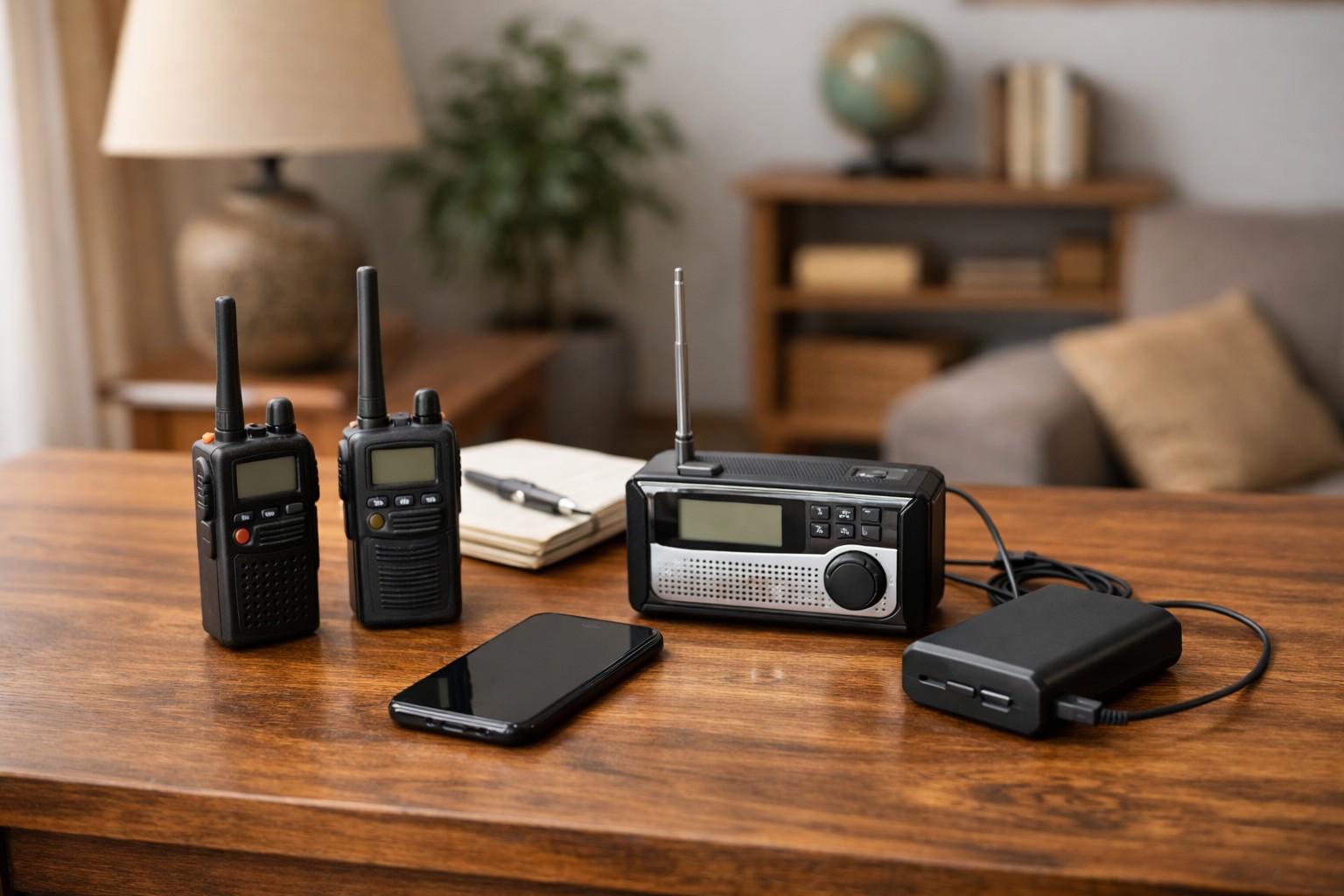
Why Redundancy Is Critical in Emergency Communication
No single communication method can be relied on in every emergency scenario. Power loss, network outages, interference, and equipment failure can all disrupt communication without warning.
Redundancy ensures that when one system fails, another is available to maintain contact. By using multiple communication methods and backup power sources, households can reduce the risk of complete communication loss.
Establish a Primary Communication Method
Every household communication plan should begin with a primary method of contact. This is the system you expect to use first under normal emergency conditions, such as mobile phones, text messaging, or household two-way radios.
The primary method should be simple, familiar, and easy for everyone in the household to use. Choosing one clear first option reduces confusion and helps everyone know how communication is expected to begin.
Add a Secondary Backup Communication Method
A secondary communication method provides an immediate backup if the primary system fails. This may include two-way radios if phones are unavailable, or an alternative device that operates independently of cellular networks.
The backup method should be ready for use without requiring significant setup. Ensuring that all household members understand how to switch to the secondary option is essential for maintaining communication.
Include Independent Communication Systems
Independent communication systems do not rely on cellular networks or internet connectivity. Devices such as emergency weather radios and certain types of two-way radios can continue to function even when traditional infrastructure is unavailable.
Including at least one independent system ensures that your household can still receive information or maintain communication during widespread outages. This layer is critical for maintaining situational awareness when other systems fail.
Ensure Backup Power for Communication Devices
Communication devices are only useful if they remain powered. Backup power options such as battery banks, spare batteries, or small solar chargers help ensure that radios and other devices continue to function during outages.
Planning for power redundancy is essential, especially during extended disruptions. Maintaining charged backups and rotating batteries regularly helps prevent unexpected failure.
Establish Clear Communication Roles and Plans
A redundant communication system is only effective if everyone understands how and when to use each layer. Establishing clear roles, expectations, and communication procedures ensures that transitions between systems happen smoothly.
Household members should know which method to use first, when to switch to backup options, and how to confirm communication. Clear planning reduces confusion and helps maintain coordination during emergencies.
How This Fits Into Your Emergency Communication System
Redundancy planning is the foundation of a reliable communication system. By combining primary methods, backup options, independent systems, and power support, households can maintain communication even when individual components fail.
When integrated with proper radio use, communication etiquette, and regular system checks, redundancy ensures that communication remains available under a wide range of emergency conditions.