Best Shelf-Stable Foods for a 14–30 Day Emergency Supply
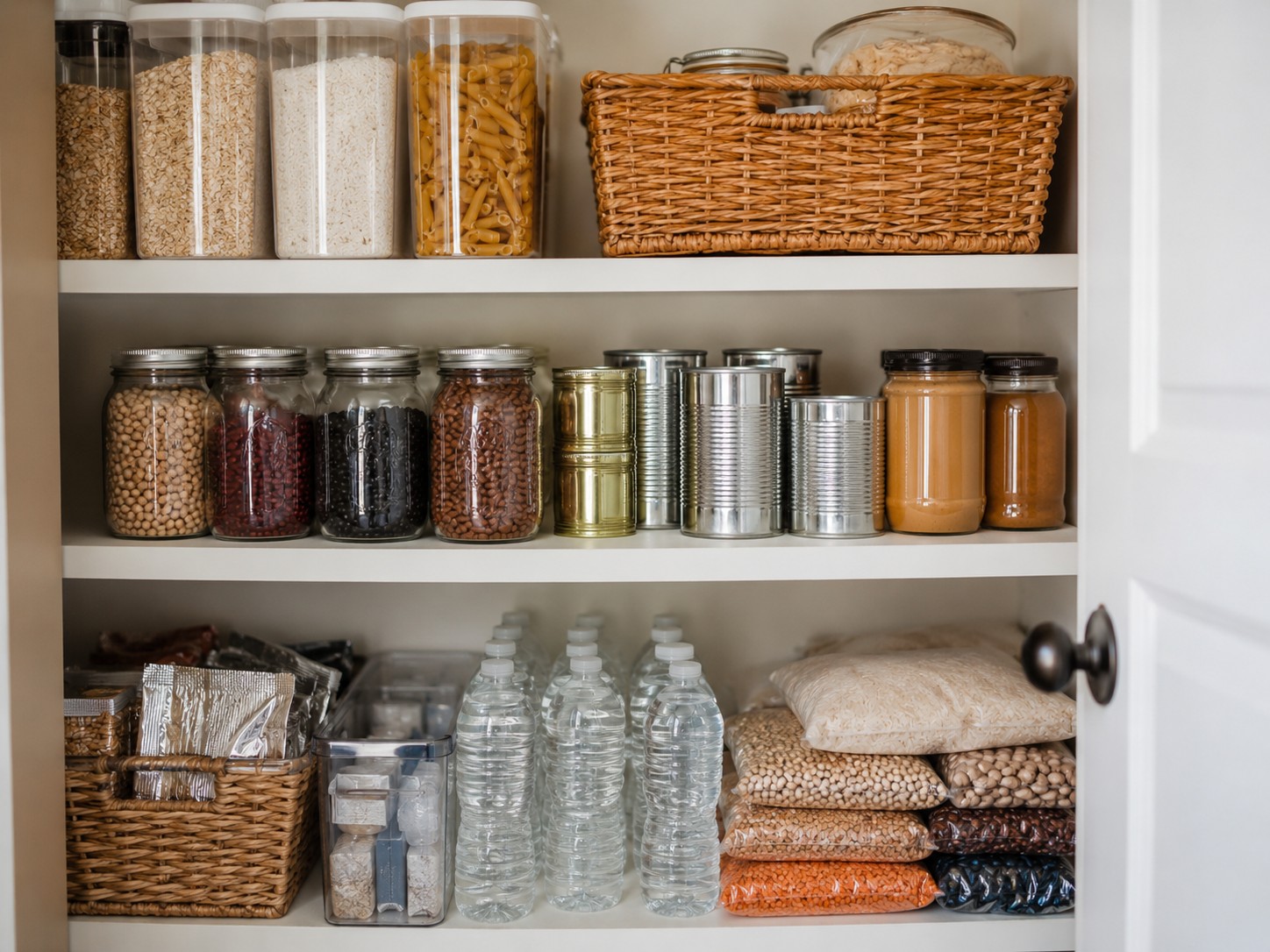
The best shelf-stable foods for a 14–30 day emergency supply are not always the fanciest, most expensive, or longest-lasting foods on the shelf. For a 14–30 day disruption, the right foods are the ones your household can store, prepare, rotate, and actually eat when the power is out, the fridge is unreliable, or normal grocery trips are interrupted.
This guide focuses on practical short-term emergency food choices: canned proteins, pantry staples, ready-to-eat meals, calorie-dense foods, fruits and vegetables, drinks, and comfort items. The goal is not to build a bunker pantry. The goal is to build a usable emergency food supply that keeps meals simple, calories dependable, and household routines as steady as possible.
What Makes Shelf-Stable Food Good for Emergencies?
A good emergency food is not just something that lasts a long time. It also has to be useful under imperfect conditions. During a 14–30 day disruption, cooking fuel may be limited, water may need to be conserved, refrigeration may be unavailable, and people may already be tired. Food that looks good on a spreadsheet but requires perfect conditions is not much help when the house is dark and everyone is hungry. That is why choosing the best shelf-stable foods for emergency supply planning starts with how the food will actually be stored, opened, prepared, and eaten.
Long Shelf Life
Shelf-stable foods should keep safely at room temperature and remain useful long enough to fit your normal pantry rotation. Canned goods, dry grains, pasta, oats, nut butters, and sealed pantry staples all work well because they do not depend on refrigeration. The goal is not to buy food and forget it for twenty years. The goal is to keep dependable food on hand and rotate it before quality becomes a guessing game.
Minimal Preparation
Emergency food should still be usable when normal cooking is inconvenient or unavailable. During a power outage, stove fuel may be limited, clean water may need to be conserved, and cleanup may become more difficult. Foods that can be eaten cold, heated quickly, or combined with simple pantry staples are more dependable than foods that require long cooking times or several steps before they become a meal.
Reliable Calories
A shelf full of low-calorie foods can look prepared without actually carrying a household very far. Emergency food needs enough calories to support normal activity, stress, cold weather, cleanup work, and the general inconvenience of life not cooperating. Rice, pasta, oats, beans, peanut butter, canned meats, oils, trail mix, and similar foods help turn storage space into real usable energy.
Normal Household Use
The best shelf-stable foods for an emergency supply are foods your household already understands. If nobody eats lentils, powdered eggs, or canned sardines during normal life, a stressful week without power is not the ideal time to discover strong opinions about them. Familiar foods are easier to rotate, easier to cook with, and less likely to sit untouched until the date on the package becomes more of a suggestion than a promise.
Easy Storage and Rotation
Emergency food should be easy to store, check, and rotate without turning the pantry into a second job. Strong choices fit normal shelves, stack safely, resist damage, and can be worked into regular meals before they get old. If a food needs special handling, perfect temperatures, unusual containers, or a reminder system worthy of a small airport, it may not belong in a basic 14–30 day supply.
Best Shelf-Stable Foods for a 14–30 Day Emergency Supply
A strong short-term emergency food supply is built from several food categories, not one magic product. Canned proteins, dry staples, ready-to-eat meals, calorie-dense foods, fruits, vegetables, drinks, and familiar snacks all play different roles. The goal is to build meals that are simple, filling, and repeatable without depending on refrigeration, complicated cooking, or constant grocery access.
Canned Proteins
Canned proteins are one of the most useful parts of a 14–30 day emergency food supply because they are ready to eat, easy to store, and simple to combine with other pantry foods. Canned chicken, tuna, salmon, sardines, ham, chili, beef stew, and similar foods can turn rice, pasta, crackers, or instant potatoes into a real meal instead of just a pile of carbohydrates.
Choose canned proteins your household already eats, and store them in meal-sized amounts. Large cans may look efficient, but once opened they create a refrigeration problem if the power is out. Smaller cans are often more practical during short disruptions because they reduce waste and make portion planning easier.
Beans, Lentils, and Plant-Based Proteins
Beans and lentils add protein, fiber, calories, and meal flexibility without much cost. Canned beans are the most convenient choice because they are already cooked and can be eaten cold if necessary. Black beans, pinto beans, kidney beans, chickpeas, baked beans, and canned lentils can support simple meals with rice, tortillas, crackers, pasta, or canned vegetables.
Dry beans and lentils can also be useful, but they need more planning. Dry beans require soaking, longer cooking times, and more fuel. Lentils cook faster, but they still require water and heat. For a basic 14–30 day emergency supply, canned versions are usually more dependable unless you already have a solid cooking plan for outages.
Rice, Pasta, Oats, and Grain Staples
Rice, pasta, oats, instant potatoes, couscous, crackers, tortillas, and shelf-stable bread products provide the calorie base for many emergency meals. These foods are affordable, familiar, and easy to pair with canned proteins, beans, soups, sauces, and vegetables. They help stretch more expensive foods and make the pantry feel like actual meals instead of loose ingredients.
Choose a mix of staples based on how easily you can prepare them. Instant oats, instant rice, couscous, crackers, and tortillas require little or no cooking, while regular rice and pasta need more water, heat, and cleanup. Those foods are still useful, but they should match your backup cooking setup. A five-pound bag of rice is only comforting if you have a way to cook it.
Ready-to-Eat Meals
Ready-to-eat meals are the part of an emergency food supply people appreciate most when the day has already gone sideways. Canned soup, chili, stew, ravioli, tamales, pasta meals, shelf-stable rice pouches, and similar foods can be eaten cold, warmed quickly, or served with crackers, rice, tortillas, or instant potatoes. They reduce cooking time and decision fatigue.
These foods are not always the cheapest or most calorie-dense option, but they are dependable when conditions are inconvenient. Keep enough ready-to-eat meals for the first few days of a disruption, when routines are broken and nobody is in the mood to assemble a thoughtful dinner by flashlight.
Nut Butters, Oils, and Calorie-Dense Foods
Nut butters, cooking oils, nuts, trail mix, granola, powdered milk, and other calorie-dense foods help make an emergency food supply more filling. Peanut butter is especially useful because it stores well, requires no cooking, works with crackers or bread, and provides calories, fat, and protein in a small amount of space.
These foods deserve regular rotation because fats can go rancid over time, especially in warm storage areas. Do not bury them in the back of the pantry and pretend time has been defeated. Store what you use, use what you store, and replace older items before quality drops.
Canned Fruits and Vegetables
Canned fruits and vegetables add variety, fiber, vitamins, moisture, and some normalcy to a short-term emergency food supply. Canned peaches, pears, applesauce, green beans, carrots, corn, peas, tomatoes, and mixed vegetables can make basic meals feel less repetitive and more complete. That matters more than people think after several days of eating the same heavy foods.
Choose fruits packed in juice when possible and vegetables your household already uses in regular meals. Canned tomatoes, corn, carrots, and green beans are easy to combine with rice, pasta, soups, beans, and canned meats. They are not the calorie backbone of the pantry, but they keep meals from turning into a punishment system with a can opener.
Shelf-Stable Milk, Drinks, and Electrolytes
Shelf-stable drinks help cover comfort, hydration support, and meal preparation. Powdered milk, shelf-stable milk cartons, instant coffee, tea, cocoa mix, powdered drink mix, and electrolyte packets can all be useful in a 14–30 day emergency supply. They do not replace stored water, but they can make stored water easier to use day after day.
Electrolytes are especially useful during hot weather, illness, heavy cleanup work, or any situation where people are sweating more than usual. Coffee and tea also matter more than some preparedness lists admit. A household that normally starts the day with coffee may become surprisingly unreasonable when that routine disappears.
Snacks, Comfort Foods, and Morale Items
Snacks and comfort foods are not wasted space if they help keep people fed, steady, and cooperative. Crackers, granola bars, dried fruit, nuts, cookies, hard candy, chocolate, popcorn, jerky, and familiar treats can break up repetitive meals and give the household something normal during an abnormal week.
The key is balance. Comfort foods should support the emergency supply, not replace real meals. A pantry full of cookies may improve morale for about six hours, then the household still has a food problem. Store familiar snacks in reasonable amounts and rotate them the same way you rotate everything else.
Foods to Be Careful With in an Emergency Pantry
Some shelf-stable foods look useful on a shopping list but become less practical during an actual disruption. The problem is not always the food itself. The problem is the water, fuel, storage space, preparation time, cleanup, or household patience required to use it. A good emergency pantry should make hard days easier, not create a cooking project nobody asked for.
Foods That Require Too Much Water
Dry pasta, rice, dry beans, powdered mixes, and dehydrated meals can all be useful, but they depend on available water. If your water storage is limited, too many water-heavy foods can work against you. Keep them in balance with canned foods, ready-to-eat meals, crackers, tortillas, nut butters, and other foods that require little or no added water.
Foods That Require Long Cooking Times
Dry beans, regular rice, whole grains, and some dense pasta meals can require more cooking time than people expect. That may be fine during normal life, but during a power outage it can burn through stove fuel, heat up the house, and make cleanup harder. If you store long-cooking foods, make sure your backup cooking method can actually handle them.
For a 14–30 day emergency supply, balance long-cooking staples with faster options like canned beans, instant rice, instant oats, couscous, crackers, tortillas, canned meals, and ready-to-eat foods. The goal is not to prove you can cook from scratch under annoying conditions. The goal is to keep people fed.
Foods Your Household Does Not Normally Eat
Emergency food should not depend on wishful thinking. If your household does not normally eat a food, do not build the plan around suddenly liking it during a stressful week. Strange textures, unfamiliar flavors, and “healthy” foods nobody asked for have a way of surviving every pantry cleanout until they finally expire in silence.
It is fine to introduce a few new foods, but test them during normal life first. Try them for lunch, use them in a simple dinner, or pack them during a weekend project. If they work, add more. If they do not, you learned that lesson before the lights went out, which is the cheaper time to learn it.
Fragile Packaging and Poor Storage Choices
Shelf-stable food is only useful if the packaging survives normal household storage. Thin cardboard, flimsy bags, dented cans, torn pouches, and poorly sealed containers can invite moisture, pests, spills, and wasted food. A pantry does not have to be fancy, but it does need to keep food protected, visible, and easy to inspect.
Store vulnerable dry goods in sturdier containers when needed, especially rice, oats, pasta, flour, sugar, powdered milk, and snacks. Keep cans off damp floors, avoid stacking them where they can fall, and check older items for rust, swelling, leaks, or damage. The food may be shelf-stable, but the shelf still has responsibilities.
Too Much Salt Without Enough Water
Many shelf-stable foods are salty, especially canned soups, chili, stews, canned meats, crackers, jerky, and packaged meals. Salt is not automatically bad, but too much salty food without enough drinking water can make people thirstier and less comfortable during a disruption. That matters if water is limited, hot weather is involved, or someone in the household has dietary restrictions.
Balance salty foods with lower-sodium options, canned fruits, applesauce, oats, rice, pasta, unsalted nuts, powdered drinks, and enough stored water to support the food you plan to eat. Emergency food and emergency water are tied together. One always finds a way to remind you about the other.
Bulk Foods With No Meal Plan
Large bags of rice, oats, beans, flour, sugar, and pasta can be useful, but bulk food by itself is not a meal plan. A pantry can look impressive and still leave you standing there wondering what dinner is supposed to be. Emergency food should be organized around meals your household can actually make with the water, heat, tools, and time available.
Before buying more bulk staples, match them with proteins, sauces, seasonings, vegetables, fats, and simple recipes. Rice needs something to go with it. Pasta needs sauce or canned ingredients. Oats need milk, sweetener, fruit, or nuts. A 25-pound bag of anything becomes less inspiring when everyone has eaten it plain three days in a row.
A Simple 14–30 Day Shelf-Stable Food Mix
A 14–30 day emergency food supply does not need to be built from exact percentages, but it does need balance. Too many staples leave you short on protein and variety. Too many ready-to-eat meals get expensive and bulky. Too many snacks solve the first bad afternoon and not much after that. A practical food mix gives each category a job.
Build Around Meals, Not Individual Items
Start by thinking in simple meals your household would actually eat for breakfast, lunch, and dinner. Oats with fruit and powdered milk. Rice with beans and canned chicken. Pasta with sauce and canned vegetables. Soup with crackers. Peanut butter with tortillas. These are not fancy meals, but they are understandable, repeatable, and realistic when normal routines are interrupted.
Once you have meals in mind, the shopping list becomes easier. You are not just buying cans and boxes because they look prepared. You are building combinations that turn into food on a plate, which is where the whole operation eventually has to end up.
Use a Balanced Category Mix
For a basic 14–30 day supply, build from several categories instead of leaning too hard on one type of food. A practical mix might include staples for calories, canned proteins for meal strength, ready-to-eat meals for difficult days, fruits and vegetables for variety, calorie-dense foods for staying power, and drinks or comfort items for routine.
This does not have to be measured with laboratory precision. The better test is simple: could your household make normal-enough meals from this food for two to four weeks without constant frustration? If the answer is yes, the mix is probably close. If every meal feels like a compromise stacked on another compromise, adjust before you need it.
Sample Food Mix by Category
A practical 14–30 day emergency food supply might include a mix like this:
- Staples: rice, pasta, oats, instant potatoes, crackers, tortillas, couscous
- Proteins: canned chicken, tuna, salmon, chili, beans, lentils, peanut butter
- Ready-to-eat meals: soups, stews, ravioli, shelf-stable rice pouches, canned pasta meals
- Fruits and vegetables: canned fruit, applesauce, canned tomatoes, corn, carrots, green beans
- Calorie boosters: nut butters, oils, nuts, trail mix, powdered milk, granola
- Drinks and comfort items: coffee, tea, cocoa, electrolyte packets, drink mix, familiar snacks
Use this as a planning pattern, not a rigid rule. A household with young children, older adults, dietary restrictions, pets, medical needs, or heavy physical work may need a different mix. The point is to avoid building a pantry that looks complete but fails in use. Food storage should fit the people who actually live in the house.
Plan for Calories Before Variety
Variety matters, but calories come first. Emergency food has to provide enough energy for ordinary household needs, stress, poor sleep, cleanup work, cold weather, and the extra effort that usually comes with a disruption. A pantry full of light snacks, broth-based soups, and low-calorie vegetables may look organized while still leaving people hungry.
Use calorie-dense staples and proteins as the backbone, then add fruits, vegetables, drinks, and comfort foods around them. Rice, pasta, oats, beans, peanut butter, canned meats, oils, nuts, and trail mix do more of the heavy lifting than most people realize. The lighter foods help round out meals, but they should not be carrying the whole load.
Do a Simple Meal Check Before Buying More
Before adding more food, check whether the pantry can actually produce meals. Pick three breakfasts, three lunches, and three dinners using only the shelf-stable foods you already have planned. Then ask whether those meals are filling, repeatable, and realistic without refrigeration or complicated cooking.
This quick check catches problems early. It shows whether you are short on protein, missing sauces or seasonings, relying too heavily on one staple, or storing foods that do not combine into anything useful. Buying more food is easy. Building meals is the part that makes the supply work.
Example Shelf-Stable Meals for a 14–30 Day Emergency Supply
Meal examples help test whether your emergency food supply actually works. A pantry can look full and still fail at mealtime if the foods do not combine well. These simple combinations use common shelf-stable foods and require little cooking, limited cleanup, or no refrigeration.
- Oats with powdered milk and dried fruit for a simple breakfast that needs little preparation.
- Peanut butter with crackers or tortillas for a no-cook meal or snack with dependable calories.
- Rice with canned beans and salsa for a basic filling meal if you have a way to heat water.
- Pasta with canned chicken and tomato sauce for a familiar pantry meal.
- Canned chili over instant potatoes for a fast, filling dinner with minimal cleanup.
- Soup or stew with crackers for a simple ready-to-eat meal.
- Tuna or salmon with tortillas and canned fruit for protein, calories, and variety.
- Couscous with canned vegetables and chicken for a faster-cooking alternative to rice.
- Oatmeal with peanut butter for a calorie-dense breakfast or evening meal.
- Ready-to-eat stew with canned vegetables for a low-effort meal when cooking is limited.
How to Store and Rotate Shelf-Stable Emergency Foods
Shelf-stable food still needs attention. Heat, moisture, pests, damaged packaging, forgotten corners, and poor rotation can ruin a pantry quietly over time. A good emergency food supply should be easy to see, easy to inspect, and easy to work into normal household meals before quality declines.
Store Food in a Cool, Dry, Accessible Place
Choose storage areas that stay cool, dry, and reasonably stable. Pantry shelves, interior closets, basement shelving, or dedicated storage cabinets can all work if they protect food from moisture, heat, pests, and physical damage. Avoid garages, sheds, damp floors, and hot utility spaces unless you understand the tradeoff. Heat shortens food quality faster than most people expect.
Keep heavier items low, keep cans where they can be inspected, and avoid stacking food so tightly that older items disappear. The best storage system is not the prettiest one. It is the one you can still use six months from now without needing a shovel and a bad attitude.
Use First-In, First-Out Rotation
First-in, first-out simply means using the oldest food first and placing newer food behind it. This keeps the emergency pantry from becoming a museum of good intentions. When you buy more canned goods, oats, pasta, peanut butter, crackers, or snacks, put the new items behind the older ones so the older food naturally gets used first.
You do not need a complicated tracking system for a basic 14–30 day supply. A marker, visible dates, and a habit of checking shelves before grocery trips will handle most of the work. Rotation works best when the emergency pantry is connected to normal meals instead of sealed away like a secret archive.
Check Packaging and Dates Twice a Year
Check your shelf-stable emergency foods at least twice a year. Look for swollen cans, serious dents, rust, leaks, torn bags, broken seals, pest activity, moisture damage, stale smells, or foods getting close to quality dates. Most problems are easier to fix when they are found during a calm Saturday instead of during an outage.
A spring and fall pantry check works well for most households. Replace damaged items, move older food into normal meal use, and refill anything that has been eaten down. This keeps the supply active instead of forgotten, which is how a good pantry quietly turns into a box of expired surprises.
Keep a Small No-Cook Food Reserve
Every 14–30 day emergency food supply should include some foods that require no cooking at all. Canned meats, canned beans, peanut butter, crackers, tortillas, granola bars, trail mix, dried fruit, canned fruit, ready-to-eat meals, and shelf-stable drinks can all keep people fed when cooking is inconvenient or temporarily impossible.
This no-cook reserve is especially useful during the first day or two of a disruption, when people are figuring out what happened, what still works, and whether the stove, generator, camp burner, or outdoor cooking setup is worth using yet. Sometimes the smartest meal plan is opening a can and not making the day harder.
Store Food With the Tools Needed to Use It
Shelf-stable food is only useful if you can open it, prepare it, and serve it. Keep a manual can opener, basic utensils, paper plates, bowls, napkins, trash bags, wipes, matches or a lighter, and any backup cooking tools near the food supply or in a known emergency kitchen area. Do not assume the electric can opener will be feeling helpful during a power outage.
Also think about cleanup. Meals that require several pots, lots of water, or heavy dishwashing may be less practical when water is limited. Simple meals, disposable supplies, and basic cleanup items can make the food supply easier to use when normal kitchen routines are interrupted.
Keep the Pantry Connected to Your Water Plan
Emergency food and emergency water should be planned together. Dry staples, powdered drinks, dehydrated meals, pasta, rice, beans, oatmeal, and cleanup all require water in some form. If your food plan depends heavily on foods that need boiling, soaking, mixing, or washing dishes afterward, your water storage needs to support that.
This is why canned foods, ready-to-eat meals, crackers, nut butters, tortillas, canned fruit, and other low-water foods matter. They reduce pressure on stored water and make the pantry more useful during short disruptions. Food planning and water planning are separate categories on paper. In the kitchen, they shake hands whether you planned for it or not.
Where This Fits in Your Emergency Food Plan
Shelf-stable foods are one part of a complete short-term food plan. They provide the dependable pantry base for a 14–30 day emergency supply, but they work best when connected to water storage, backup cooking, food rotation, and simple meal planning. A pantry full of food is useful. A pantry full of food you can actually prepare, serve, and rotate is better.
Once your shelf-stable foods are selected, the next step is to make sure the quantities, storage layout, and meal combinations support your household for the full 14–30 day window. That is where the broader food supply plan brings everything together.