No-Cook Emergency Foods for Power Outages
No-cook emergency foods for power outages should keep people fed when the refrigerator is warming up, the stove is unavailable, and nobody wants to turn dinner into a project. The best choices are ready to eat, shelf-stable, familiar, calorie-supportive, and simple enough to use when the kitchen is dark and the day has already become inconvenient.
This guide focuses on practical no-cook foods that work during short power outages: canned proteins, ready-to-eat meals, crackers, nut butters, shelf-stable fruits, snacks, drinks, and simple meal combinations that do not depend on refrigeration, cooking fuel, or complicated cleanup.
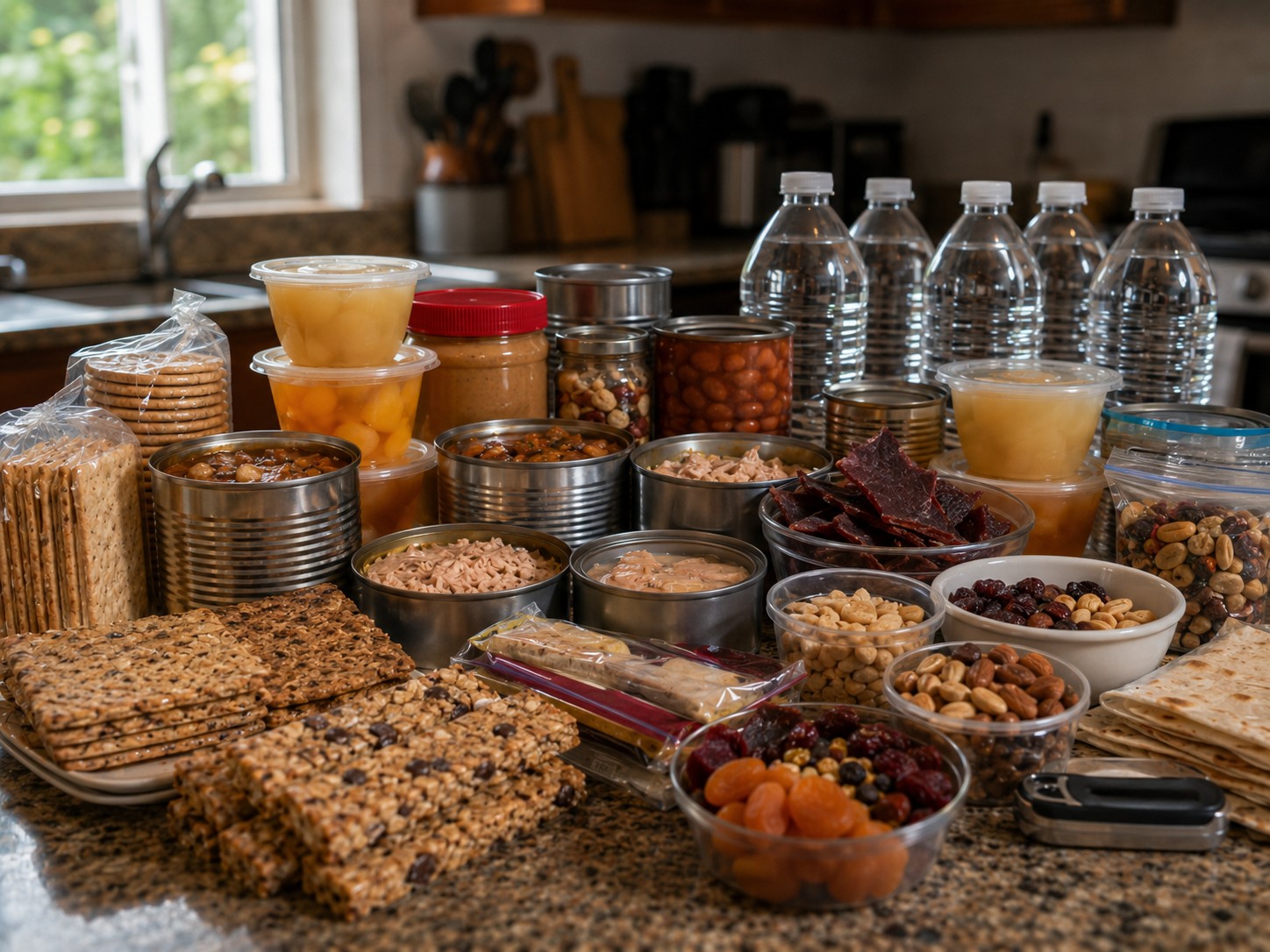
Why No-Cook Emergency Foods Matter During Power Outages
A power outage changes the kitchen fast. The refrigerator starts warming, the stove may not work, and every meal that depends on electricity becomes one more problem to solve. No-cook emergency foods give the household immediate options: food that can be opened, assembled, and eaten without heating, refrigeration, or extra cleanup when the day is already off schedule.
They Work When Cooking Is Not Available
During a power outage, cooking may be limited by an electric stove, dead microwave, unsafe indoor fuel use, or a backup cooking setup that is not worth using for every meal. No-cook foods reduce pressure on fuel, batteries, generators, and tired people. Sometimes the best emergency meal is the one that does not require making the situation more complicated.
They Protect the First 24 Hours
The first day of a power outage is often when the household is figuring out what still works, what food needs attention, whether the outage is local or widespread, and how long the refrigerator can stay closed. No-cook foods give you a calm first layer before you start opening coolers, setting up outdoor cooking, or making decisions about refrigerated food.
They Reduce Food Safety Pressure
No-cook emergency foods help you avoid unnecessary refrigerator and freezer opening during an outage. Shelf-stable foods can be eaten without disturbing cold storage, which gives refrigerated food more time to stay cold. That matters because once cold food warms into the danger zone, the meal decision changes from convenience to safety.
Best No-Cook Emergency Foods for Power Outages: Ready-to-Eat Pantry List
The best no-cook emergency foods for power outages are shelf-stable, easy to open, familiar, and filling enough to count as real food. A strong no-cook pantry should include protein, carbohydrates, fats, fruits, drinks, snacks, and a few ready-to-eat meals so the household is not trying to survive on crackers and optimism.
Canned Proteins
Canned tuna, salmon, chicken, sardines, ham, chili, and ready-to-eat meat spreads give a no-cook food plan real staying power. They provide protein and calories without refrigeration, and most can be eaten with crackers, tortillas, bread, rice cakes, or shelf-stable side items. Choose smaller cans or pouches when possible so an opened container does not create a refrigeration problem during the outage.
Nut Butters and Calorie-Dense Spreads
Peanut butter, almond butter, sunflower seed butter, shelf-stable cheese spreads, and similar foods are useful because they provide calories, fat, flavor, and some protein without cooking. They work with crackers, tortillas, bread, rice cakes, apple slices, or straight off a spoon if the day has earned that level of honesty. Rotate these foods regularly because fats can go stale over time, especially in warm storage areas.
Crackers, Tortillas, and Shelf-Stable Breads
Crackers, tortillas, flatbreads, rice cakes, crispbreads, and shelf-stable bread products turn canned proteins and spreads into actual meals. They require no cooking, little cleanup, and very little decision-making. Store more than one type if your household will be relying on no-cook meals for several days, because eating the same dry cracker repeatedly can make even calm people start negotiating with the pantry.
Canned Beans, Lentils, and Ready-to-Eat Sides
Canned beans, lentils, chickpeas, baked beans, corn, olives, canned potatoes, and shelf-stable grain or bean salads can add calories, fiber, variety, and meal bulk without cooking. Many of these foods can be eaten cold if needed, though they may taste better warmed when cooking is available. Choose pull-tab cans or keep a manual can opener with the food supply, because a sealed can without an opener is just a small metal disappointment.
Shelf-Stable Fruits and Vegetables
Fruit cups, applesauce, canned peaches, pears, pineapple, mandarin oranges, dried fruit, canned carrots, green beans, corn, tomatoes, and vegetable cups help keep no-cook meals from becoming heavy and repetitive. They add moisture, fiber, familiar flavors, and some balance to a pantry that might otherwise lean too hard on salty proteins and dry foods. Choose single-serve or meal-sized containers when refrigeration is unavailable.
Ready-to-Eat Meals and Meal Kits
Ready-to-eat meals such as canned chili, canned pasta, tuna salad kits, chicken salad kits, shelf-stable rice or grain bowls, meal pouches, and emergency food bars can reduce effort when the household is tired or routines are broken. They are not always the cheapest option, but they are useful during the first day or two of an outage when nobody wants to build a full meal from separate ingredients.
Snacks, Bars, and Morale Foods
Granola bars, protein bars, trail mix, nuts, dried fruit, jerky, cookies, hard candy, chocolate, popcorn, and familiar snacks help fill gaps between meals and keep morale steadier during an outage. These foods should not replace real meals, but they matter. A household that has only “serious” emergency food may be technically prepared and still deeply unpleasant by day two.
Drinks and Hydration Support
Bottled water should come first, but drinks that make stored water easier to use can help during a power outage. Electrolyte packets, powdered drink mix, shelf-stable juice boxes, instant coffee, tea bags, cocoa mix, and shelf-stable milk can support hydration, comfort, and normal routines. They do not replace stored water, but they make the water plan easier to live with.
How to Build Simple No-Cook Meals During a Power Outage
No-cook meals work best when they combine protein, calories, moisture, and something familiar. Instead of storing random cans and boxes, think in small meal combinations your household would actually eat cold if necessary. The goal is not fine dining. The goal is food that keeps people steady without using electricity, fuel, refrigeration, or every clean dish in the kitchen.
Start With Protein and Calories
A no-cook meal needs enough protein and calories to do more than quiet hunger for twenty minutes. Start with canned tuna, chicken, salmon, beans, nut butter, jerky, meal bars, trail mix, or ready-to-eat meal kits. Then add crackers, tortillas, fruit cups, shelf-stable vegetables, or drinks to make the meal more complete. A plate of crackers is a snack. Crackers with tuna, fruit, and water starts looking like a plan.
Pair Dry Foods With Moist Foods
Dry foods are easier to tolerate when they are paired with foods that add moisture. Crackers, tortillas, bars, and jerky work better with fruit cups, applesauce, canned vegetables, tuna packets, beans, shelf-stable milk, or drinks. This matters during outages because dry, salty meals can make people thirstier and less comfortable, especially if water storage is limited.
Use Meal-Sized Portions
Meal-sized portions reduce waste when refrigeration is unavailable. Single-serve fruit cups, tuna pouches, small cans of beans, individual nut butter packets, snack packs, and smaller ready-to-eat meals are often easier to manage than large containers. Once a large can or jar is opened, the household either needs to finish it quickly or deal with the storage problem it just created.
Keep Basic Tools With the Food
No-cook food still needs a few simple tools. Keep a manual can opener, disposable plates or bowls, napkins, utensils, wipes, trash bags, and a small cutting tool where they can be found without emptying half the kitchen. The food may not need cooking, but it still needs opening, serving, cleanup, and a place for the packaging to go.
Food Safety During Power Outages
No-cook emergency foods are useful because they reduce pressure on the refrigerator and freezer during an outage. Keep refrigerator and freezer doors closed as much as possible, eat shelf-stable foods first when practical, and avoid guessing with perishable food that has warmed too long. A power outage is not the time to negotiate with questionable chicken.
Keep Refrigerator and Freezer Doors Closed
Cold food lasts longer when doors stay closed. During a power outage, use no-cook shelf-stable foods first so you are not opening the refrigerator every time someone wants a snack. Once the outage begins, treat the refrigerator and freezer like insulated storage, not browsing shelves. Every unnecessary opening lets cold air out and shortens the useful window.
Know the Refrigerator and Freezer Time Limits
As a general food safety rule, refrigerated food is usually safe for about four hours during a power outage if the door stays closed. A full freezer can usually hold temperature for about 48 hours, and a half-full freezer for about 24 hours, if the door stays closed. Use appliance thermometers when possible, and when food safety is uncertain, do not gamble with it.
Use Shelf-Stable Foods Before Risky Perishables
When in doubt, use shelf-stable no-cook foods before opening questionable refrigerated items. Canned foods, nut butters, crackers, fruit cups, bars, dried fruit, and shelf-stable drinks can keep the household fed while cold storage stays closed. Perishable food should be used only while it is still safely cold, not because wasting food feels annoying. Food poisoning is a poor trade for saving leftovers.
Foods to Avoid in a No-Cook Power Outage Plan
Some foods look useful until the power goes out and the details start mattering. A good no-cook plan should avoid foods that require refrigeration after opening, long preparation, extra water, cooking fuel, or perfect timing. The point is to reduce kitchen problems during an outage, not create a pantry full of almost-useful food.
Foods That Require Refrigeration After Opening
Large jars of mayonnaise, opened dips, dairy-based spreads, leftover cooked foods, deli meats, soft cheeses, and many prepared refrigerated items become harder to manage once the power is out. If a food must stay cold after opening, it is not ideal for a no-cook outage plan unless the household can finish it immediately and keep the rest safely cold. Choose shelf-stable, meal-sized portions whenever possible.
Foods That Need Cooking or Boiling
Dry pasta, rice, dry beans, hot cereal, dehydrated meals, instant soup mixes, and powdered meals may be useful in a broader emergency food plan, but they are not true no-cook foods. They require heat, water, time, and cleanup. Keep them for backup cooking plans, not for the first layer of food you expect to use when the power is out and the kitchen is running on patience.
Foods That Make People Thirstier
Salty snacks, jerky, crackers, canned meats, chips, packaged meals, and heavily seasoned foods can be useful, but they should not dominate a no-cook food supply. Too much salt without enough water can make people thirstier and less comfortable, especially during hot weather or cleanup work. Balance salty foods with fruit cups, applesauce, shelf-stable drinks, lower-sodium options, and enough stored water to support the food plan.
Simple No-Cook Meal Examples for Power Outages
Meal examples help turn stored food into something usable. These combinations are simple, shelf-stable, and realistic when the power is out. Adjust them for allergies, dietary needs, children, older adults, and whatever your household will actually eat when nobody is in the mood for a lecture about preparedness.
- Tuna or chicken with crackers and fruit cups for protein, carbohydrates, and moisture.
- Peanut butter with tortillas and applesauce for calories, fat, and a no-cook breakfast or lunch.
- Canned beans with corn and tortilla chips for a simple filling meal.
- Salmon pouch with rice cakes and mandarin oranges for protein, crunch, and fruit.
- Trail mix, jerky, and shelf-stable milk for a fast meal when nobody wants dishes.
- Tuna salad kit with crackers and bottled water for a ready-to-eat lunch.
- Nut butter packets with granola bars and dried fruit for an easy grab-and-eat option.
- Canned chili with crackers if the chili is ready-to-eat and acceptable cold.
- Applesauce, protein bar, and electrolyte drink for a light meal during heat or cleanup.
- Shelf-stable meal pouch with fruit cup and bottled water for a low-effort dinner.
How to Store and Rotate No-Cook Emergency Foods
No-cook emergency foods should be stored where they are easy to find, inspect, and use during a power outage. Keep them separate enough from normal pantry clutter that they do not disappear into everyday snacking, but not so hidden that nobody remembers they exist. A good no-cook food supply should rotate through normal meals before quality drops.
Keep No-Cook Foods Easy to Reach
Store no-cook foods where they can be reached without opening the refrigerator, digging through deep storage, or moving heavy boxes. A pantry shelf, kitchen cabinet, labeled bin, or utility shelf can work well. The first outage meal should not require an archaeological dig through the garage.
Rotate Foods Before Quality Drops
No-cook foods are often the same foods households already use: crackers, nut butters, tuna, fruit cups, bars, dried fruit, snacks, and shelf-stable drinks. Rotate them through normal meals and replace older items before they become stale, oily, crushed, or forgotten. The best emergency food is food that stays familiar because it keeps moving through the pantry.
Store Tools With the Food
Keep a manual can opener, utensils, napkins, wipes, trash bags, disposable plates or bowls, and a small cutting tool with the no-cook food supply. During an outage, these little things matter. A can of tuna is not nearly as helpful if the opener is in a mystery drawer with batteries from 2009.
Where This Fits in Your Emergency Food Plan
No-cook emergency foods are the first-meal layer of a household food plan. They help during the opening hours of a power outage, protect refrigerated food by reducing unnecessary door opening, and provide simple meals when cooking is unavailable or not worth the effort. They do not replace longer-term food storage, backup cooking, water planning, or normal pantry rotation, but they make the whole food system easier to use when the lights go out.
Return to Food Systems to continue building your household emergency food plan.